
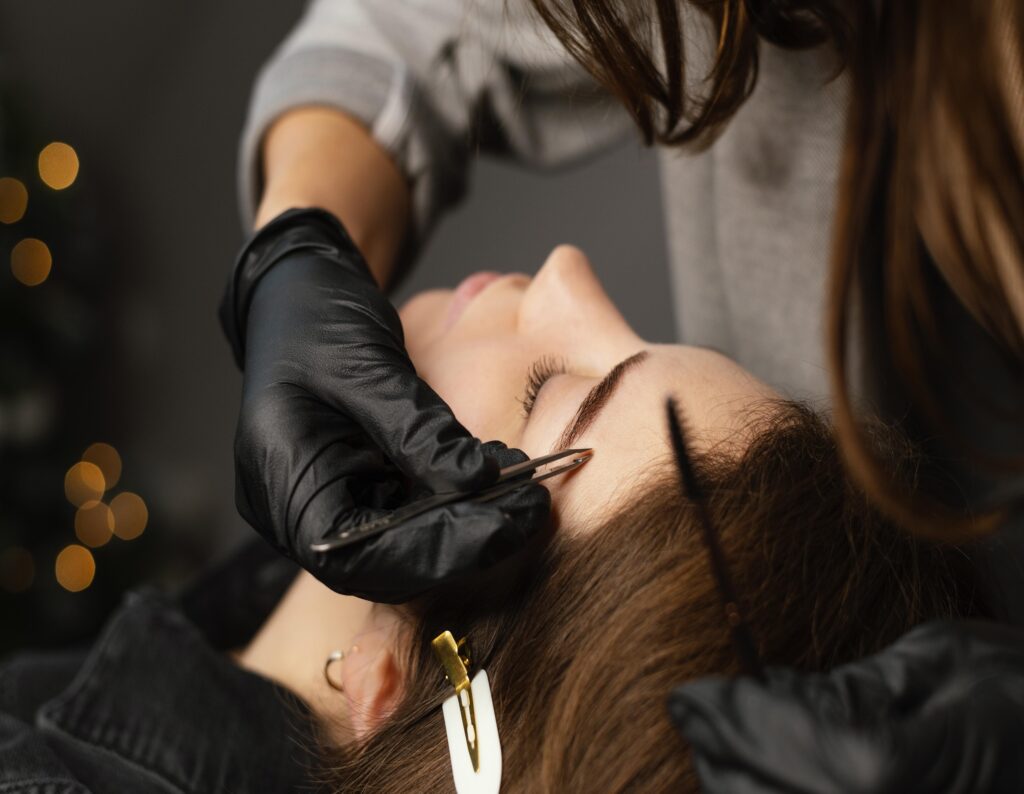
Permanent makeup, also known as micropigmentation, is a fast-growing beauty trend that simplifies daily routines while enhancing facial aesthetics. Designed to mimic the look of everyday makeup, these techniques involve depositing pigments into the skin to create long-lasting results. Whether you’re seeking to redefine your eyebrows, line your eyes, or enhance your lips, permanent makeup offers a customizable solution tailored to personal beauty goals.
This cosmetic innovation is particularly beneficial for individuals with active lifestyles, medical conditions, or physical challenges that hinder makeup application. With new techniques and technologies continuously evolving, permanent makeup has become both an art and a science, providing natural-looking results that stand the test of time.
Key Takeaways:
- Permanent makeup offers time-saving beauty enhancements.
- Techniques include eyebrow microblading, eyeliner, and lip tinting.
- Suitable for all skin types and lifestyles.
- It can last from 1 to 3 years with proper care.
- Requires trained professionals and adherence to hygiene standards.
Types of Permanent Makeup

Permanent makeup consists of various techniques customized to the client’s facial features and beauty preferences. Each method provides unique benefits and outcomes depending on the area treated.
Eyebrow Enhancements
- Microblading: This popular semi-permanent technique uses a handheld tool with fine needles to simulate natural eyebrow hairs. Ideal for individuals with sparse brows, microblading delivers a fuller, more defined look.
- Hairstrokes (Eyebrow Embroidery): Similar to microblading but often done with digital machines, hairstrokes mimic the appearance of real brow hairs and are perfect for those who’ve overplucked or lost brow density.
- Microshading: Often called “powder brows,” microshading provides a soft, shaded look resembling filled-in makeup. It’s a great option for oily skin types where traditional microblading may fade faster.
- Ombre Brows: Ombre brows offer a gradient effect—lighter at the front and darker at the tail. This gives a bolder yet natural finish. It’s ideal for those who prefer a made-up look without daily application.
- Combination Brows: This hybrid technique blends microblading and shading, offering both natural strokes and added fullness. It suits individuals seeking depth, realism, and a polished aesthetic.
Permanent Eyeliner Options
- Classic Eyeliner: A timeless look, this method places pigment directly along the lash line, ranging from thin and subtle to bold and dramatic.
- Lash Line Enhancement: Rather than creating a full line, pigment is dotted between the lashes. This subtle enhancement creates the illusion of thicker, darker lashes.
- Soft Shadow Liner: For a smoky, diffused look, this technique blends color outward from the lash line, creating a softer finish than traditional eyeliner.
Lip Enhancements
- Lip Liner and Full Lip Tint: Perfect for uneven or pale lips, permanent lip makeup enhances shape and color, eliminating the need for daily lipstick.
- Lip Blushing: A semi-permanent treatment that offers a natural-looking tint, lip blushing improves lip symmetry, tone, and definition.
Other Types of Permanent Makeup
- Areola Pigmentation: Often used post-mastectomy or reconstructive surgery, this technique restores the natural appearance of the nipple and areola.
- Scalp Micropigmentation (SMP): This treatment replicates the look of hair follicles on the scalp, ideal for individuals with thinning hair or bald patches.
- Freckle and Beauty Mark Tattoos: Aesthetic additions like freckles and beauty spots can be permanently applied to add a unique, youthful charm.
- Scar and Burn Camouflage: Pigments are used to blend scars or burns with the surrounding skin tone, restoring a more uniform appearance.
“At My New Age Laser, we specialize in scar and burn camouflage using expertly matched pigments to restore harmony and confidence. Our goal is to help you feel like yourself again by blending imperfections seamlessly into your natural skin tone.” — My New Age Laser
Reasons for Choosing Permanent Makeup
- Time Efficiency: Eliminates the need for daily application of makeup, saving precious minutes in morning routines and offering convenience for busy professionals and parents.
- Medical Conditions: Helps individuals with alopecia, vitiligo, tremors, arthritis, or visual impairments that make traditional makeup application difficult or impossible.
- Active Lifestyle: Ideal for athletes, swimmers, and outdoor enthusiasts who sweat often or participate in water activities where regular makeup would smudge or wash away.
- Allergy-Friendly: Suitable for those allergic to conventional makeup products, providing a way to enhance appearance without triggering skin reactions or sensitivities.
- Restorative Purposes: Assists those undergoing medical treatments like chemotherapy in restoring facial features and can help camouflage scars from surgery or trauma.
- Consistent Appearance: Provides a reliable, consistent look that doesn’t fade throughout the day, beneficial for those in public-facing professions.
- Cost-Effective Long-Term: Despite a higher initial investment. It can save money over time by reducing the need to purchase makeup products regularly.
- Confidence Boosting: Offers psychological benefits for those with asymmetrical features, sparse eyebrows, or faded lip lines, enhancing self-esteem without daily effort.
- Age-Related Changes: Addresses issues like fading lip borders or thinning eyebrows that commonly occur with aging.
- Reduced Environmental Impact: Decreases consumption of single-use makeup products and packaging over time.
Techniques and Methods
Understanding how these procedures work helps manage expectations and ensure a satisfactory outcome.
Microblading utilizes a manual tool to implant pigment in hair-like strokes, creating realistic brow patterns. Lasts 12 to 24 months with touch-ups.
Microshading is a machine-based method that delivers tiny dots of pigment, producing a powdery finish. Ideal for sensitive or oily skin.
Ombre and Combination Brows blend light and dark pigments to create a gradient effect. Combination brows add depth through both hair strokes and shading.
Digital PMU Devices Modern machines offer greater precision, especially for eyeliner and lips. Artists can control needle depth and speed for consistent results.
Safety and Regulations
The PMU industry has expanded rapidly, but safety and regulatory compliance remain essential.
Training and Certification: Practitioners must complete certified programs that include sanitation, color theory, and anatomy. Training also covers handling bloodborne pathogens and infection prevention.
Hygiene Standards: A sterile environment is non-negotiable. Tools must be single-use or fully sterilized. Artists should wear gloves and sanitize stations between clients.
State Regulations: Licensing requirements vary by state. Some states, like California, mandate rigorous training and certification, while others leave regulation more open.
Risks
- Allergic reactions
- Infection due to poor hygiene
- Pigment migration or fading
- Unsatisfactory results due to inexperience
Clients should always consult qualified professionals, ask for portfolios, and undergo patch tests.
Historical Context
Ancient Practices: Permanent makeup isn’t new. Ancient Egyptians used kohl to define their eyes and brows. Indigenous tribes across the world used tattoos as rites of passage and markers of beauty or status.
Cultural Significance: From Japanese irezumi to Maori tā moko, permanent markings held spiritual and cultural meanings. These historical practices laid the groundwork for today’s PMU techniques, which emphasize both form and function.
Modern Evolution: The Renaissance period reintroduced makeup into beauty culture, while the 20th century saw the birth of PMU as a medical and cosmetic solution. Technological advances now allow for minimally invasive, precise applications.
Why Choose Us: My New Age Laser Clinic
At My New Age Laser, we pride ourselves on offering expert permanent makeup services with a focus on safety, customization, and long-term satisfaction. Our certified technicians use state-of-the-art equipment in a sterile environment to deliver stunning results. We offer consultations tailored to your goals and take the time to understand your facial features, skin type, and desired outcomes.
Here’s why clients trust us:
- Trained and certified PMU professionals
- Strict hygiene and safety protocols
- High-quality, hypoallergenic pigments
- Personalized consultation and aftercare guidance
- Transparent pricing with no hidden fees
Conclusion
Permanent makeup offers a transformative solution for individuals seeking to simplify their routines, boost confidence, or restore lost features. From subtle enhancements to bold definitions, these techniques cater to a wide array of preferences. As the industry continues to innovate, it remains vital for clients to seek experienced professionals and stay informed about the risks, regulations, and benefits. Whether you’re new to the concept or ready for your next procedure, permanent makeup is a lasting investment in your everyday beauty.
Frequently Asked Questions
- Is permanent makeup really permanent?
No. Most PMU procedures are semi-permanent and fade over time. Touch-ups are recommended every 12–24 months. - How long is the recovery time?
Initial healing takes about 7–10 days, though full pigment settling can take up to 4–6 weeks. - Does the procedure hurt?
Most clients experience minimal discomfort. Topical numbing creams are used to ease the process. - Are there any side effects?
Possible side effects include redness, swelling, and minor scabbing. Rarely, allergic reactions may occur. - Can permanent makeup be removed?
Yes. Laser treatments and saline removal are available, but results may vary depending on pigment depth and color.