
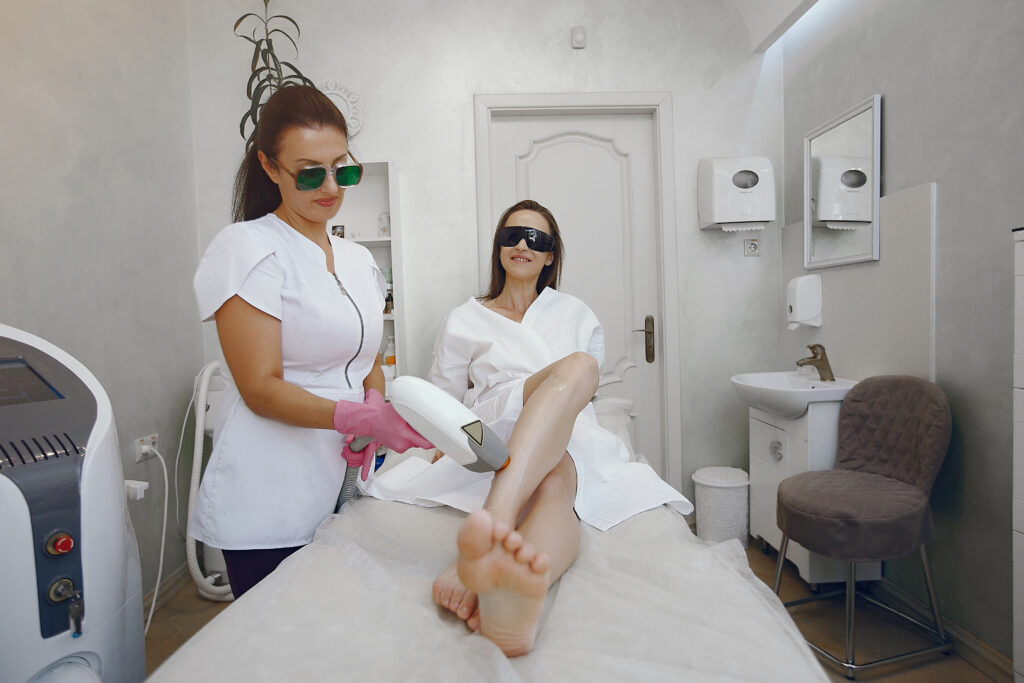
Unwanted hair is something many people struggle with, and the search for long-lasting solutions often leads to laser hair removal. Over the last two decades, laser hair removal has moved from being a luxury treatment to a widely available medical procedure chosen by millions every year. According to the American Society of Plastic Surgeons, more than 1 million laser hair removal procedures are performed annually in the United States, making it one of the most popular non-surgical cosmetic treatments.
But with this popularity also comes a common question: is it safe for everyone? For years, people with darker skin tones worried about the risks of burns, pigmentation changes, and poor results. Meanwhile, those with very fair hair often wondered if the procedure would even work. Thankfully, advancements in laser technology have changed the landscape. Today, laser hair removal can be tailored to almost every skin type, though safety and results still depend on the right laser, proper settings, and an experienced practitioner.
This blog provides a detailed examination of how laser hair removal works, its effectiveness across various skin types, the technologies that enable it, and the steps you should take before and after treatment.
Key Takeaways
- Laser hair removal is a medical procedure that uses light to target and damage hair follicles, reducing future growth.
- Historically, it worked best for people with light skin and dark hair, but modern technology now makes it safe for most skin types.
- Choosing the correct laser, like Nd:YAG for darker skin tones or diode for medium skin, is crucial for safety.
- Risks include redness, swelling, and temporary pigmentation changes, but these can be minimized with proper care.
- Success largely depends on the skill of the provider and personalized treatment planning.
What is Laser Hair Removal?

Laser hair removal is a medical treatment that uses focused beams of light to reduce unwanted hair. The science behind it is called selective photothermolysis. During the procedure, a laser emits a light that is absorbed by melanin, the pigment found in hair. This light energy converts to heat, which damages the hair follicle and slows or prevents future growth.
The results are not immediate, nor are they permanent in every case. Instead, hair becomes finer and sparser over several sessions, making it a long-term reduction method rather than a once-and-done solution.
Unlike shaving or waxing, which only remove visible hair, laser hair removal works beneath the skin, targeting the follicle itself. This makes it one of the most effective ways to reduce hair over time, but success depends on matching the right technology with the right skin and hair type.
Effectiveness Across Skin Types
In the early days of laser hair removal, it was primarily recommended for people with light skin and dark, coarse hair. This was because the contrast between the skin and hair color made it easier for the laser to target melanin in the hair without affecting the surrounding skin.
However, technology has advanced considerably. Newer laser systems now make it possible to treat a wide variety of skin tones, including darker ones, with minimal risk. This progress has opened the door for people who were once told they were not good candidates.
- Fair to medium skin tones (Types I–IV on the Fitzpatrick scale): Typically respond well to alexandrite or diode lasers.
- Darker skin tones (Types V–VI): Respond more safely with Nd: YAG lasers, which bypass surface pigment and reach deeper hair follicles.
- Light hair (blonde, red, or gray): May still be challenging, since there is less melanin to absorb the laser light.
Understanding the Fitzpatrick Scale
The Fitzpatrick scale is a classification system that divides skin into six categories based on how it reacts to sun exposure. This scale is a key factor when deciding whether laser hair removal is safe and effective.
- Type I: Very fair skin, always burns, never tans.
- Type II: Fair skin, usually burns, tans minimally.
- Type III: Medium skin, sometimes mild burns, tans gradually.
- Type IV: Olive or light brown skin, rarely burns, tans easily.
- Type V: Brown skin, rarely burns, tans deeply.
- Type VI: Very dark brown to black skin, never burns, tans deeply.
Knowing your skin type allows practitioners to adjust laser settings to balance safety with effectiveness.
Pre-Treatment Considerations
Preparation is key to a safe and successful outcome. Here are some guidelines most providers recommend:
- Avoid sun exposure: Stay out of direct sunlight and tanning beds for at least four weeks before treatment.
- Stop waxing or plucking: These methods remove the follicle, which is needed for the laser to target. Shaving is allowed since it leaves the follicle intact.
- Share your medical history: Inform your provider about any medications or skin conditions, as these may influence treatment.
- Do a patch test: Particularly important for darker skin tones to ensure safety before treating larger areas.
Post-Treatment Care
After your session, your skin may feel warm and slightly red, similar to a mild sunburn. Proper care helps minimize risks and ensures good results.
- Apply cold compresses or soothing gels like aloe vera.
- Avoid makeup, hot showers, and strenuous exercise for the first 24 hours.
- Use sunscreen with at least SPF 30 daily to prevent pigmentation changes.
- Refrain from using exfoliants, retinoids, or strong chemical products for a week.
Following these steps can greatly reduce side effects such as irritation or pigmentation changes.
Potential Risks and Side Effects
Common Side Effects
- Redness and swelling in the treated area.
- Temporary changes in skin color, either lightening or darkening.
Less Common Risks
- Hyperpigmentation or hypopigmentation, particularly in darker skin tones.
- Mild discomfort during treatment.
- In rare cases, burns or scarring may occur due to improper technique.
Very Rare Complications
- Paradoxical hypertrichosis, where hair growth increases instead of decreases.
- Skin infections usually occur if post-care instructions are not followed.
Most of these issues are temporary and can be avoided with proper technique and care.
“When it comes to laser hair removal, it’s normal to notice slight redness or sensitivity after a session. These are simply signs that the laser is doing its job, and with the right aftercare, they fade quickly, leaving you closer to the smooth skin you’re looking for.” – Dr. Olivia Kharin, BS, Permanent Makeup Artist
Efficacy Across Skin Types and Sensitive Skin
Modern technology has made laser hair removal safer for all skin types, but results can still vary. People with lighter skin usually see faster results, while those with darker tones may require more sessions. Sensitive skin should also be considered, as it may react more strongly to heat and light.
Customized treatment plans and patch testing are the best way to reduce risks. Today, dual-wavelength systems such as the Cynosure Elite Plus allow practitioners to switch between different lasers in a single session, creating a safer experience for diverse patients.
Choosing a Provider
When it comes to laser treatments, the provider you choose is just as important as the technology being used. A skilled, well-trained professional ensures your safety, comfort, and results. Here are a few key things to look for:
- Certifications and Specialized Training
Always ensure the clinic’s team is certified and has advanced training in laser procedures. This proves they understand both the science and the artistry behind effective treatments. - Types of Lasers Available
Not all lasers are the same, and the right technology depends on your skin type, tone, and treatment goals. A quality clinic will offer multiple FDA-approved devices to personalize your care. - Consultation and Patch Test
A responsible provider, like New Age Laser, should always offer an initial consultation and a patch test. This step allows them to assess your skin’s reaction and design the safest, most effective plan for you. - Patient Reviews and Testimonials
Honest feedback from past patients gives you valuable insight into a clinic’s commitment to safety, results, and patient satisfaction.
Why Choose My New Age Laser
My New Age Laser believes laser hair removal should be safe, comfortable, and effective for every skin type. Our clinic uses advanced technology designed to treat a wide range of skin tones, including darker complexions, with precision and care. Each treatment is customized to your unique skin and hair type, and we take the time to ensure your comfort at every step. Our team of trained professionals focuses on both safety and results, offering personalized guidance before, during, and after your sessions. By combining expertise with modern technology, we aim to provide results that help you feel more confident in your skin.
The Bottom Line
So, is laser hair removal safe for all skin types? The answer is yes, with the right technology, experienced practitioners, and proper care, it can be safe and effective for almost everyone. While older systems favored lighter skin tones, advancements now make it possible for darker skin types to enjoy the benefits too. Like any medical procedure, it comes with some risks, but most are temporary and avoidable when done properly.
If you are considering laser hair removal, the most important step is choosing a qualified provider who understands your unique skin type and can tailor the treatment to your needs. With the right approach, you can look forward to smoother, hair-free skin with confidence.
Frequently Asked Questions
- How many sessions are usually required for laser hair removal?
Most people need between 6 and 8 sessions spaced a few weeks apart. Darker skin tones or thicker hair may require additional treatments. - Can laser hair removal be done on sensitive areas like the face or bikini line?
Yes, it can be performed safely on sensitive areas. The laser settings are adjusted to reduce discomfort and protect delicate skin. - Is laser hair removal painful?
Most patients describe the sensation as similar to a rubber band snap. Discomfort is mild and temporary, and cooling devices are often used to ease the process. - Will the hair be gone forever after treatment?
Laser hair removal provides long-term reduction, but not always permanent removal. Maintenance sessions may be needed to keep results consistent. - Can darker skin tones really undergo laser hair removal safely?
Yes, with the right technology, such as Nd: YAG lasers and an experienced provider, darker skin types can be treated safely and effectively.