
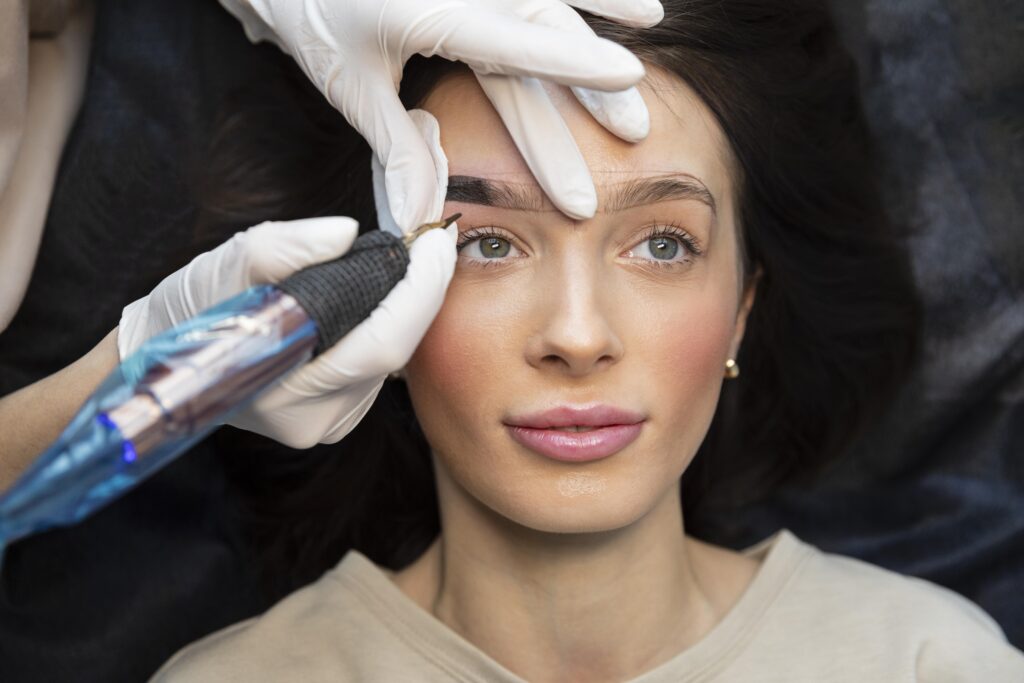
Permanent makeup, also known as micropigmentation, has revolutionized the beauty industry by offering long-lasting cosmetic enhancements. By embedding pigments into the skin, permanent makeup allows individuals to achieve their desired aesthetic without the daily hassle of traditional cosmetics. Popular procedures include microblading for eyebrows, permanent eyeliner, lip tinting, and even scalp micropigmentation for those experiencing hair loss. Whether for convenience, medical reasons, or a boost in confidence, permanent makeup is a growing trend that continues to attract a wide demographic.
Key Takeaways
- Permanent makeup offers semi-permanent solutions for enhancing facial features like brows, eyes, lips, and scalp.
- Procedures are generally safe but require proper consultation, preparation, and aftercare.
- Understanding the process and setting realistic expectations is essential for optimal results.
- Choosing an experienced professional is crucial for safety and satisfaction.
What is Permanent Makeup?

Permanent makeup is a form of cosmetic tattooing that deposits pigment into the dermis layer of the skin. Unlike traditional tattoos, the pigments used in micropigmentation are designed to fade over time, offering flexibility as beauty standards and personal preferences evolve. The technique is ideal for those looking to enhance their features, save time on makeup application, or address medical conditions that make traditional cosmetics challenging to use.
Permanent makeup isn’t just about aesthetics; it can be empowering. From restoring lost confidence due to hair loss or scarring, to helping people feel more “put together” without the daily effort, this technique has both practical and emotional benefits. Whether you’re looking for perfectly shaped brows, subtly defined eyes, naturally tinted lips, or even scalp camouflage, permanent makeup provides a customizable solution that enhances your natural beauty with minimal upkeep.
Types of Permanent Makeup Procedures
There are several types of permanent makeup procedures tailored to different parts of the face and scalp. Each technique has unique benefits and longevity, typically lasting from 1 to 3 years depending on skin type, lifestyle, and pigment quality.
Microblading: This is a semi-permanent technique for eyebrows where a hand-held tool creates hair-like strokes to mimic natural brow hairs. It’s especially beneficial for filling sparse brows or reshaping uneven ones.
Ombre Powder Brows: A machine is used to create a soft-shaded brow, offering a powdered makeup look. This technique is ideal for those who prefer a more filled-in appearance and tends to last longer than microblading.
Permanent Eyeliner: Pigments are placed along the lash line to give the appearance of fuller lashes or a more defined eye. It’s perfect for those with sensitivities to traditional makeup or active lifestyles.
Lip Blushing: This procedure enhances the lips by adding a tint of color, correcting asymmetry, and defining the lip border. The result is a naturally flushed look that can be customized from subtle to bold.
Scalp Micropigmentation: Though not facial, this treatment addresses hair loss by creating the illusion of fuller hair using pigment dots on the scalp.
Medical Tattooing: Also known as paramedical micropigmentation, this is used to camouflage scars, correct pigmentation issues, or reconstruct features such as areolas after surgery.
Before the Procedure: Preparation is Key
Preparation plays a significant role in the success of any permanent makeup procedure. The journey begins with a comprehensive consultation.
Consultation: A professional artist will assess your facial features and skin tone and discuss your goals. It’s essential to communicate openly about your expectations, allergies, and any medical conditions. Photos may be taken to compare before and after results.
Medical Considerations: If you’re under medical care, a physician’s release may be necessary. Those with a history of cold sores, especially when undergoing lip procedures, should take antiviral medication as a preventative measure.
Skin Prep: Avoid alcohol, caffeine, and blood-thinning medications 24 hours before your appointment. Refrain from using retinol or acids near the treatment area a week prior. Hydrated but not over-moisturized skin is ideal.
New Age Laser & Aesthetics Insight: “Time commitment is significant: Each procedure typically takes about two hours. This includes the consultation, numbing process, color selection, and pigment application.”— New Age Laser and Aesthetics
During the Procedure: What Happens in the Chair?
Your comfort and safety are top priorities during a permanent makeup session.
Numbing and Mapping: The treatment area is thoroughly cleansed and numbed with a topical anesthetic. Then, your artist will map out the shape or area to be treated using a pencil, allowing you to visualize the results before any pigment is applied.
Application: Using specialized tools, the artist carefully implants pigment into the skin. Techniques vary depending on the procedure—manual tools for microblading or machines for powder brows and eyeliner. The process is meticulous and guided by symmetry, facial structure, and client preference.
Final Touches: Once the pigment is in place, the area is cleaned again. Before and after photos are often taken to document the transformation. Instructions for aftercare are provided and discussed in detail.
After the Procedure: Healing and Aftercare
Proper aftercare is crucial for ensuring your permanent makeup heals correctly and the pigment settles evenly. Each step in this phase supports long-term results and reduces the risk of complications.
Immediate Aftercare:
In the first 24 hours, it’s essential to keep the treated area completely dry to allow the skin to begin sealing in the pigment. This means avoiding showers that cause direct water contact and skipping skincare on the area. Starting the following day, you may gently cleanse the area using cool water and a mild, fragrance-free cleanser. Pat the skin dry, never rub or scrub, as friction can interfere with healing and cause pigment loss.
Peeling and Itching:
As your skin heals, it’s natural for it to flake or itch, much like a light sunburn. This stage usually begins a few days after the procedure. It’s important not to pick or scratch, no matter how tempting it may be. Doing so can disrupt the healing process, pull out pigment prematurely, and even lead to scarring or patchy results.
Activity Restrictions:
To prevent irritation and maintain pigment integrity, avoid activities that cause sweating or heat exposure, like saunas, steam rooms, and intense workouts, for at least one week. Also steer clear of swimming, tanning, and applying makeup to the treated area during this period. These can introduce bacteria or cause premature fading.
Touch-Ups:
A touch-up session is usually scheduled 6 to 12 weeks after your initial appointment. This is when your artist evaluates how the pigment has settled and makes adjustments for symmetry, color saturation, and overall shape. Fading after the first session is normal, and this follow-up helps perfect and prolong your results.
Long-Term Care and Maintenance
While permanent makeup is designed to last, maintaining its appearance over time requires mindful care. With the right habits, you can extend the vibrancy of your results and keep your features looking fresh.
Sun Protection:
UV rays are one of the main culprits behind pigment fading. To preserve the color and sharpness of your permanent makeup, apply a high-SPF sunscreen to treated areas daily, even on cloudy days. For areas like the brows or lips, using products specifically designed for facial skin can help avoid irritation while offering solid protection.
Skin Treatments:
Certain skincare treatments and ingredients can break down pigment or alter its appearance. It’s best to avoid chemical peels, laser resurfacing, or strong exfoliants like retinol or glycolic acid directly over the pigmented areas. If you’re scheduling a facial or advanced skin treatment, always inform your provider about your permanent makeup so they can tailor their approach accordingly.
Color Refresh:
Over time, the pigment in permanent makeup will naturally fade due to skin regeneration, lifestyle habits, and environmental exposure. Most clients find they need a color refresh every 1 to 3 years to maintain the desired look. These touch-up sessions are typically quicker than the original procedure and help restore shape, intensity, and definition.
Risks and Considerations
Though generally safe, permanent makeup does carry some risks.
Allergic Reactions: Pigments can cause allergic responses, though rare. Patch testing is recommended.
Infections: Ensuring sterile tools and a hygienic environment minimizes risk. Follow aftercare closely to avoid complications.
Undesirable Results: Poor technique or mismatched pigment can lead to unsatisfactory outcomes. This is why choosing a certified, experienced professional is non-negotiable.
Why Choose New Age Laser and Aesthetics for Permanent Makeup?
At New Age Laser and Aesthetics, we combine artistry, advanced techniques, and a commitment to safety to deliver exceptional results. Our licensed practitioners are trained in the latest permanent makeup methods, ensuring natural-looking enhancements personalized to your individual features.
We use only top-grade pigments and sterile equipment, adhering to the highest hygiene standards. Our personalized consultations help us understand your beauty goals and create a customized plan that suits your lifestyle and preferences. With glowing reviews, a relaxing environment, and a dedicated team, New Age Laser and Aesthetics is your trusted partner in your permanent beauty journey.
Conclusion
Permanent makeup offers a transformative solution for those seeking a low-maintenance beauty routine with long-lasting results. From preparation to aftercare, understanding each phase of the process is essential for a successful outcome. By choosing a reputable provider like New Age Laser and Aesthetics, you can enhance your natural features with confidence and safety.
Ready to wake up with flawless brows, eyes, or lips every day? Book your consultation at New Age Laser and Aesthetics today and step into a world of effortless beauty!
Frequently Asked Questions (FAQs)
- Is permanent makeup really permanent?
Permanent makeup is semi-permanent. While it doesn’t wash off, it will gradually fade over 1 to 3 years, requiring touch-ups for maintenance. - Does the procedure hurt?
Most clients report minimal discomfort thanks to numbing agents. Sensitivity varies depending on the area treated. - How long does it take to heal?
Initial healing takes about 7 to 14 days, with complete healing and color settling in 4 to 6 weeks. - Can I wear makeup after the procedure?
Avoid applying makeup on the treated area for at least one week to prevent infection and interference with healing. - Are there any people who should avoid permanent makeup?
Those with certain medical conditions, pregnant women, or individuals prone to keloids should consult a doctor before undergoing the procedure.